Introduction of Mura Monastery
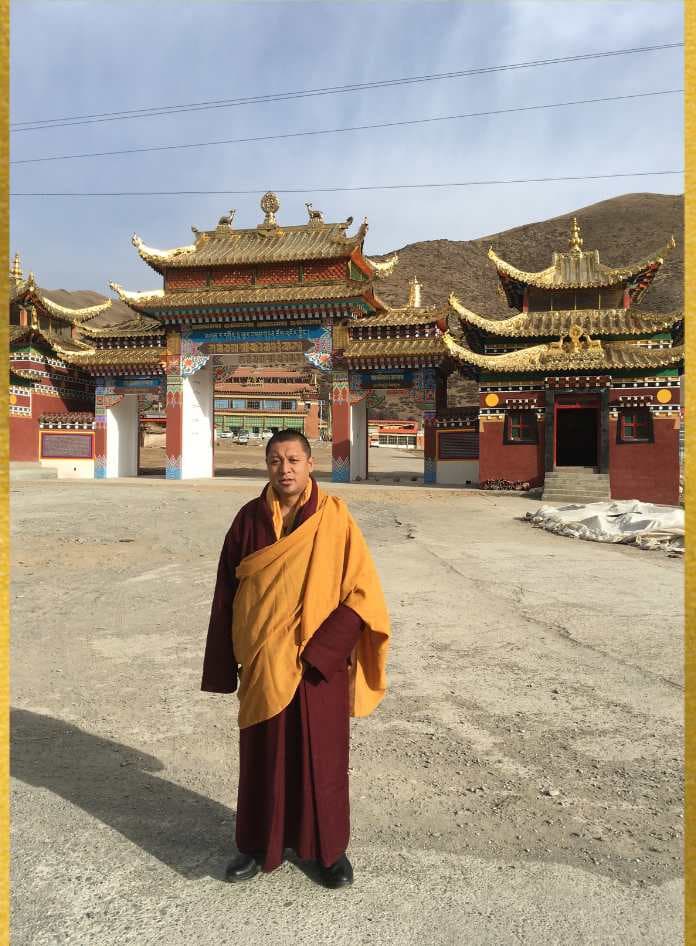
Lineage and Sacred Heritage: Mura Monastery and Its Traditions
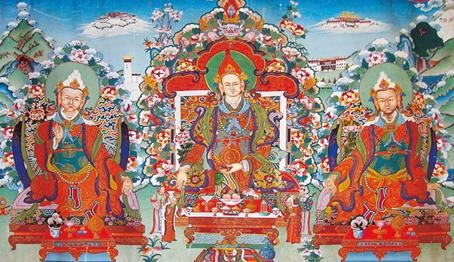
The main practice of Mura Monastery follows the Nyingma tradition of the Red School as transmitted by Guru Padmasambhava. However, it does not exclude other schools and embraces all Buddhist teachings transmitted by Shakyamuni Buddha, whether Mahayana, Hinayana, or esoteric teachings.
The monastery has maintained three distinctive characteristics since its establishment that have earned the trust and respect of both monastics and laypeople in the Golok region of Qinghai and the Gansu border area. It has become a centre for dispute resolution and reconciliation in the region. These characteristics are: no sectarian discrimination, no political stance, and no regional favouritism.
Geographical Setting and Sacred Environment
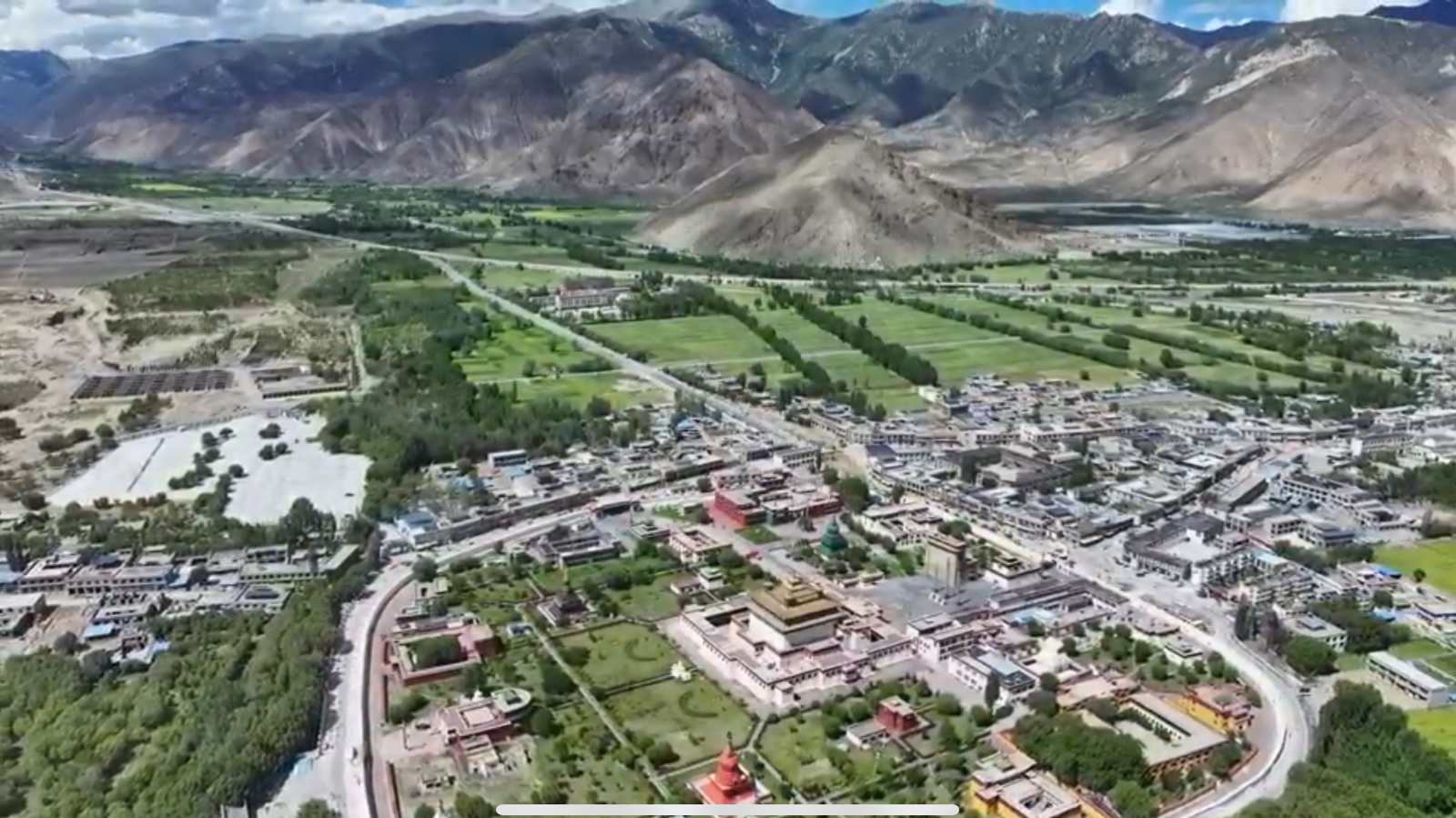
The present-day Mula Monastery is situated in central China, eastern Tibet, within the Gannan Tibetan Autonomous Region. The monastery stands on a plateau at an altitude of over 3,000 metres, bordering the Yellow River. The climate features summer temperatures averaging around 20°C, whilst winter temperatures plummet to approximately -20°C. The local population primarily sustains itself through nomadic herding.
The monastery is surrounded by sacred sites, including the Dharma Valley White Rock Mountain, a sacred site of Avalokiteshvara and one of the nine sacred sites along the Yellow River. Many accomplished practitioners have resided here, including Amdo Gendun Gyatso, the abbot of Labrang Monastery and one of its founding teachers, and the first Dodrupchen Rinpoche, a master of the Longchen lineage.
Historical Evolution
The monastery's origins, whilst not precisely documented, date back approximately 500 years when it began as a meditation centre called "Mura Gegen" (meaning "Teacher of Mura"). Legend tells of an archery master who, after a life-changing dream, embarked on a spiritual path that led to the establishment of the first meditation community. The centre gradually expanded from three disciples to over thirty practitioners, becoming known as the "Great Meditation Forest of Mura".
Over time, the community grew significantly, particularly after receiving refugees from conflicts in Sichuan's Rangtang County. The increased population necessitated a move from cave dwellings to the plains, where they initially lived in tents. By 1789, when the Sikkimese master Sonam Pelden arrived, the monastery housed 200-300 regular residents, with numbers swelling to over 1,000 during religious gatherings.
Modern Development
In 1983, the Chinese government approved the monastery's reconstruction. Under the guidance of the Guntang Rinpoche and the Panchen Lama, the monastery relocated to the plains, where a main hall accommodating 200-300 people was built, along with an Avalokiteshvara shrine and restored stupas. Today, the monastery has expanded further with government approval for 105 resident monks and a new main hall that can accommodate 1,500 people.
Monastic Life and Practices
The monastery maintains a simple lifestyle focused on spiritual practice. Monks are supported primarily by family offerings, with any earnings from religious services being distributed equally among all residents regardless of status or age. Monthly allowances range from 20 to 100 yuan, with an average of 30 yuan. The basic diet consists of tsampa (roasted barley flour), butter, dried cheese, and naturally deceased animals' meat. The monastery operates without electricity or modern water systems.
Annual Religious Activities
The monastery follows a rich calendar of religious observances, including:
- A major Guru Rinpoche ceremony from the 6th to 13th of the fourth lunar month
- Buddha's Birthday celebrations with eight days of precept observation from the 15th of the fourth month
- Vajrakilaya ceremonies in the sixth month
- Summer retreat from the sixth to seventh month
- Various ceremonies throughout the autumn and winter months, including practices dedicated to Tara, Guru Rinpoche, and protector deities
Future Vision
The monastery plans to divide into two sections: one for permanent resident monks focused on meditation and administration, and another for academic studies. The academic programme will span twelve years, covering Tibetan and Chinese languages, along with the five major sciences: linguistics, logic, arts and crafts, medicine, and Buddhist philosophy. This structure aims to provide comprehensive Buddhist education while preserving the monastery's traditional practices and teachings.
Through these various aspects, Mura Monastery continues to serve as an important centre for Buddhist practice and education, maintaining its historical significance whilst adapting to contemporary circumstances.